• +30 6976147069
  • info@pastrytech.gr
  • Heraklion, Crete

Praline

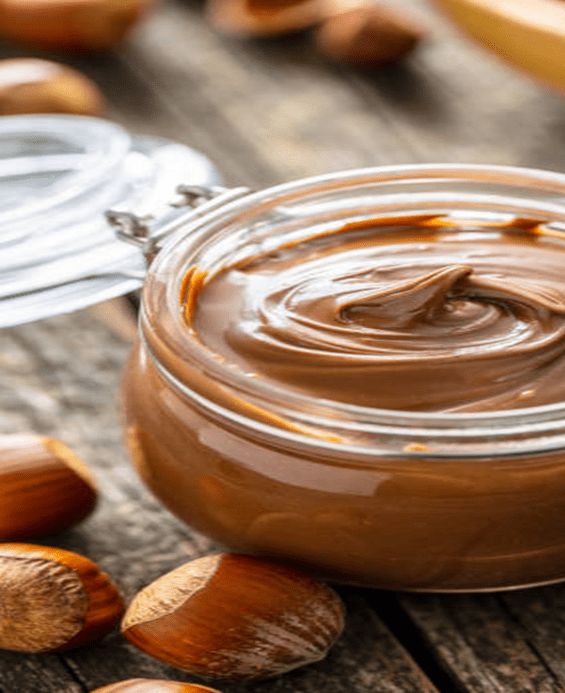
Praline is a preparation made by combining sugar with nuts, usually in a 50/50 ratio. Depending on the type of nuts used, their quality, proportion, and whether they are peeled or unpeeled, the resulting praline may be lighter or darker in color, while the intensity of its flavor will also vary. The same applies to sugar, depending on whether it is caramelized or not and whether a cold or hot preparation method is used. These criteria may also vary. However, the ratio of sugar to nuts is usually either 50/50 or 60% nuts to 40% sugar. The higher the proportion of […]
Butter Cream

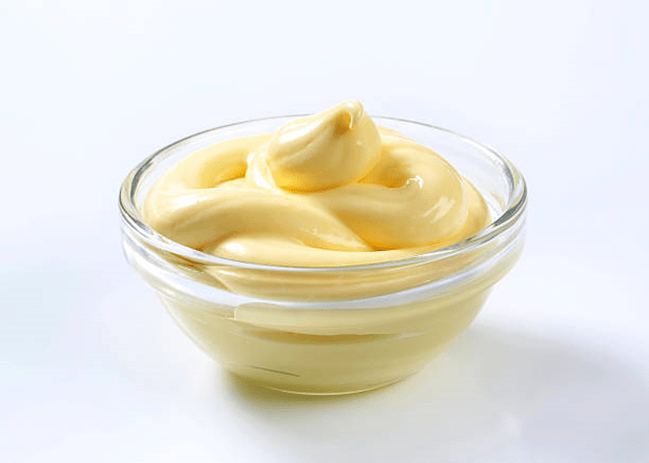
Buttercream was invented in the mid-19th century by the renowned chef of the time, Carême. Originally, buttercream was a cream made from flavored butter softened to a spreadable consistency, with sugar simply added to it. Later, the equally famous French chef Escoffier, after extensive experimentation, gave buttercream a lighter texture and improved flavor. Buttercream is therefore a light, delicate, and flavorful cream that requires great care in its preparation, as it can be made in many different ways. As its name suggests, its main ingredients are butter and sugar […]

Biscuit

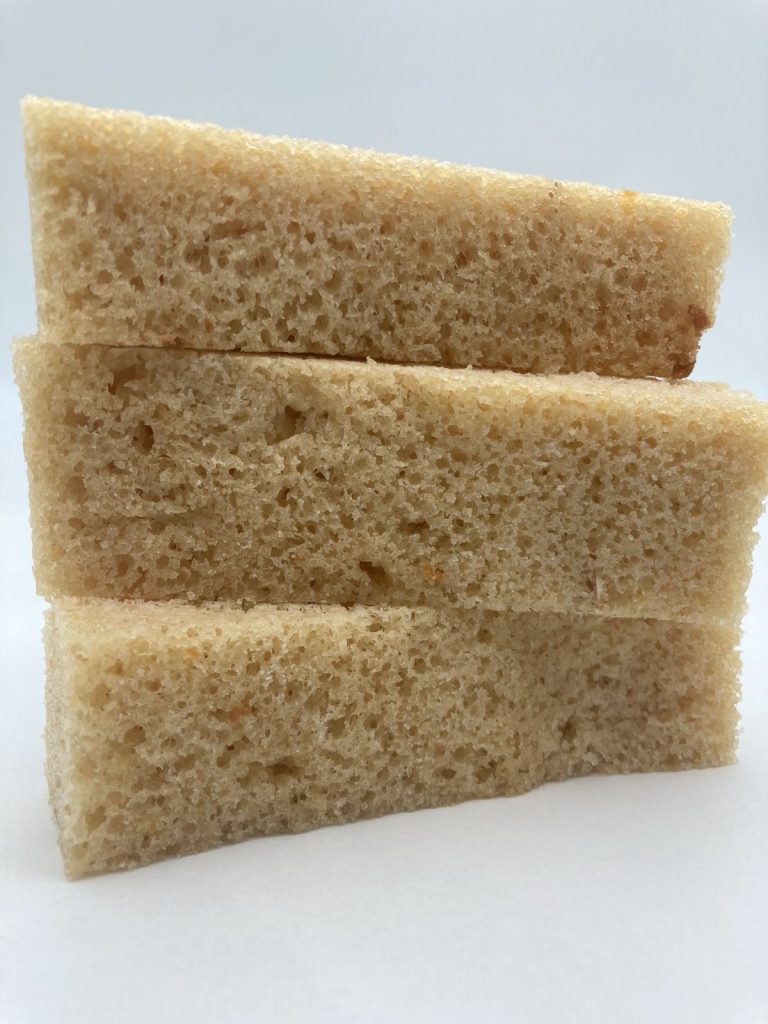
The word "biscuit" comes from the French words "bis," meaning twice, and "cuit," meaning baked. In the past, biscuits were indeed returned to the oven for a short time after baking and cooling to give them a firmer structure. However, modern ovens bake so efficiently that this second baking stage is no longer necessary. Biscuits differ from the classic Genoise sponge cake in that the egg yolks and egg whites are whipped separately. Additionally, part of the flour in the recipe (or even all of it) can be replaced […]

Stabilizers and Their Role in Sorbets

Stabilizers are ingredients used to improve the quality of sorbets and extend their shelf life. They are commonly known as hydrocolloids, a term derived from "hydro" (water) and "colla" (glue). They are often polysaccharides of plant origin. For example, alginates and carrageenan are derived from seaweed, while guar gum and locust bean gum are obtained from tree seeds. They can also be derived from fruits, such as pectin, or from cellulose sources such as wood and cotton, as in the case of carboxymethyl cellulose. In some cases, stabilizers are of animal origin. This is true of gelatin, which is traditionally produced from skin and […]

Pastry Cream (Crème Pâtissière)

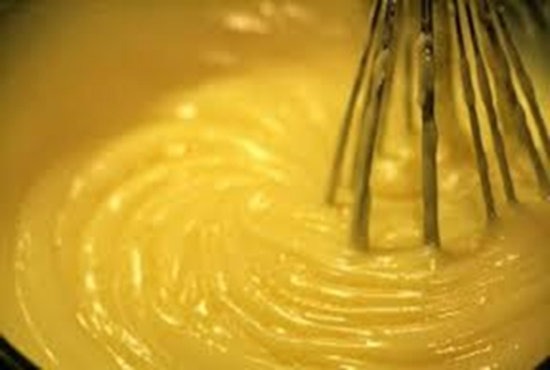
Pastry cream (Crème Pâtissière) is perhaps the most essential cream in pastry making and one of the first preparations a pastry chef learns to make. It is used in a wide variety of desserts and pastry creations in many different ways. Its recipe is simple, with variations depending on the desired consistency, sweetness, and smoothness. It is an extremely versatile cream with countless applications, rightly considered one of the cornerstones of pastry making. Depending on its intended use, pastry cream can be divided into the following categories: Pastry cream is a highly sensitive preparation from a microbiological standpoint. It therefore provides an ideal environment for bacterial growth, particularly during the summer months. To […]

Sugar: An Essential Ingredient in Pastry Making

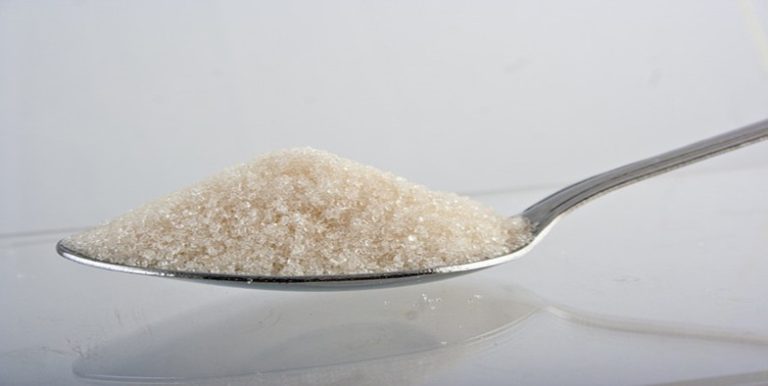
Sucrose is the scientific name for table sugar. It is a disaccharide composed of one glucose molecule and one fructose molecule. It is produced from sugar beets and sugarcane, with the only difference being that sugar derived from sugarcane may sometimes have a slightly darker, brownish color. Let's take a closer look at the production process and the differences in how sugar is made. Sugarcane undergoes an extensive processing procedure. First, the juice is extracted from the sugarcane and then purified using lime and heat. It is subsequently processed further and eventually separated into sugar crystals and molasses. The sugar crystals are then whitened and refined to produce the final product, which […]